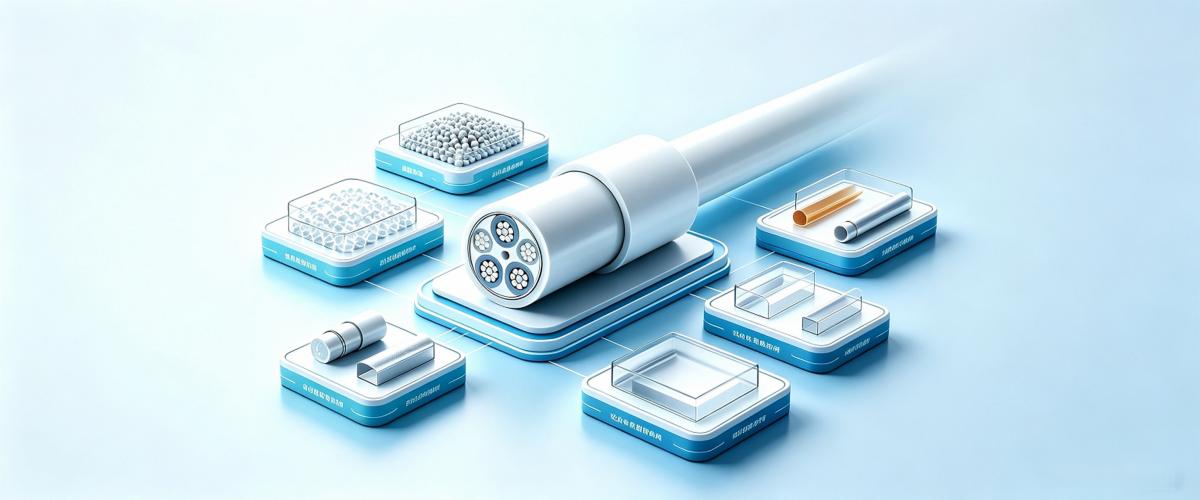
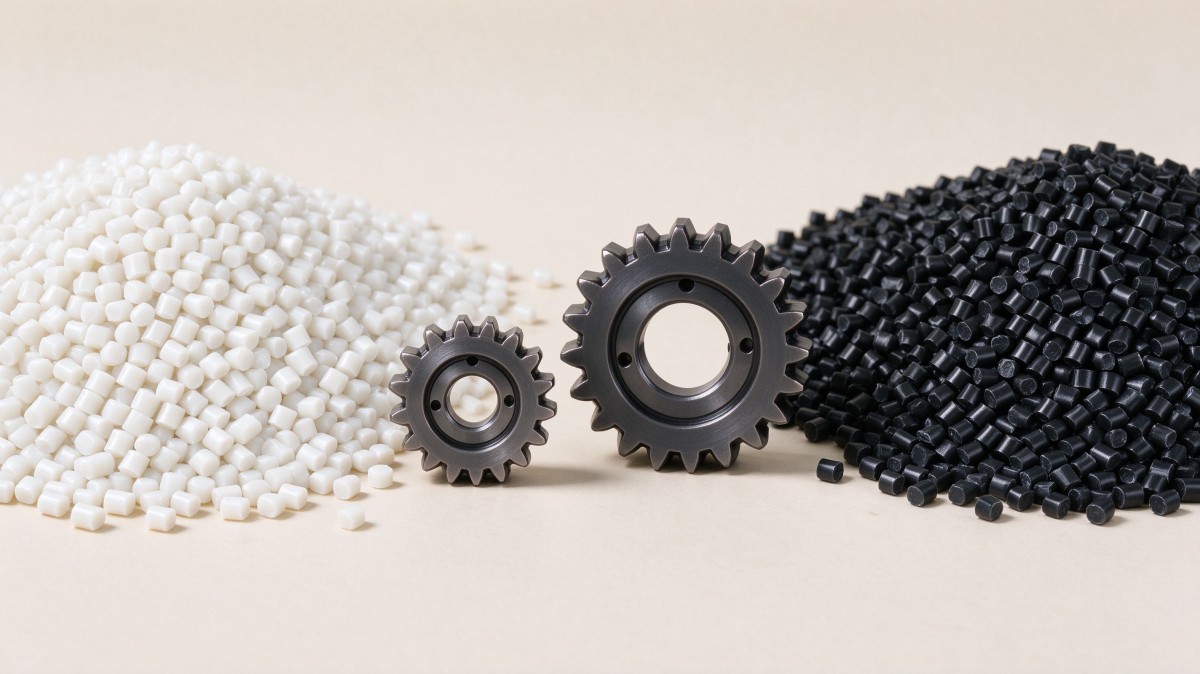
Shanghai YongheSheng Materials Technology Co., Ltd. was established in 2020. Its headquarters is located in Hongkou District, Shanghai. The company is an innovative technology enterprise specializing in the research and development, production, and marketing of high-performance modified polymer materials. It focuses on the technological iteration and large-scale production of modified general plastics, modified engineering plastics, modified special plastics, and high-end polymer materials, continuously providing high-performance and customized new material solutions for various industries.
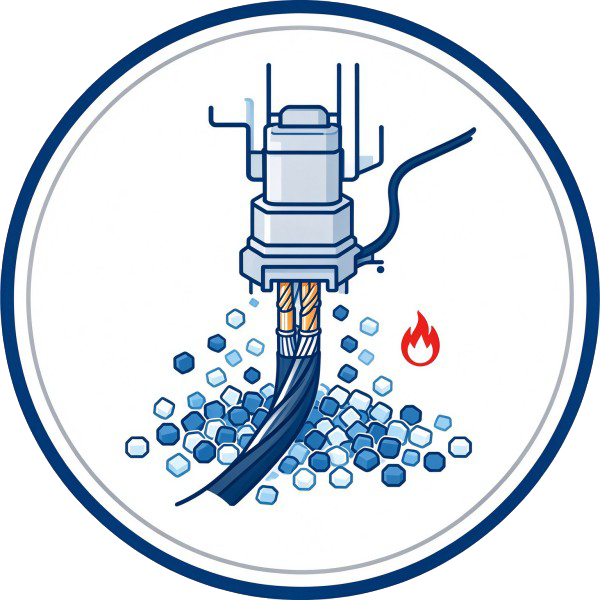
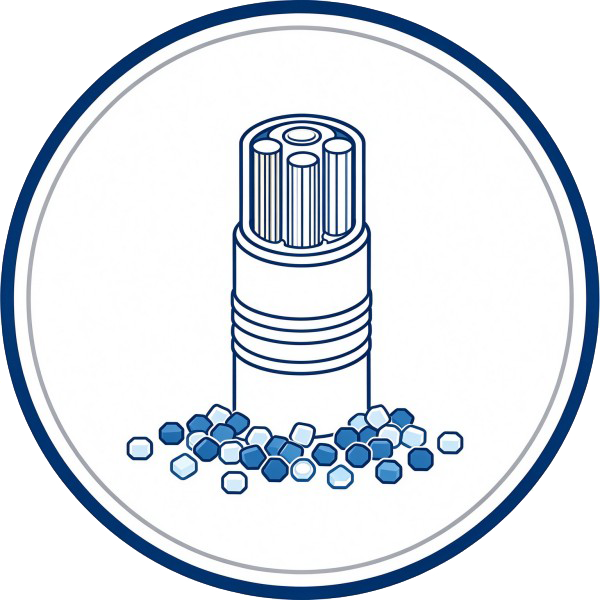
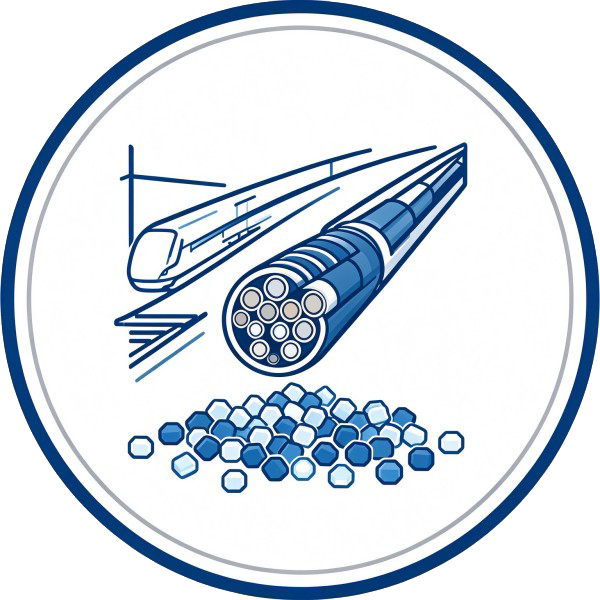
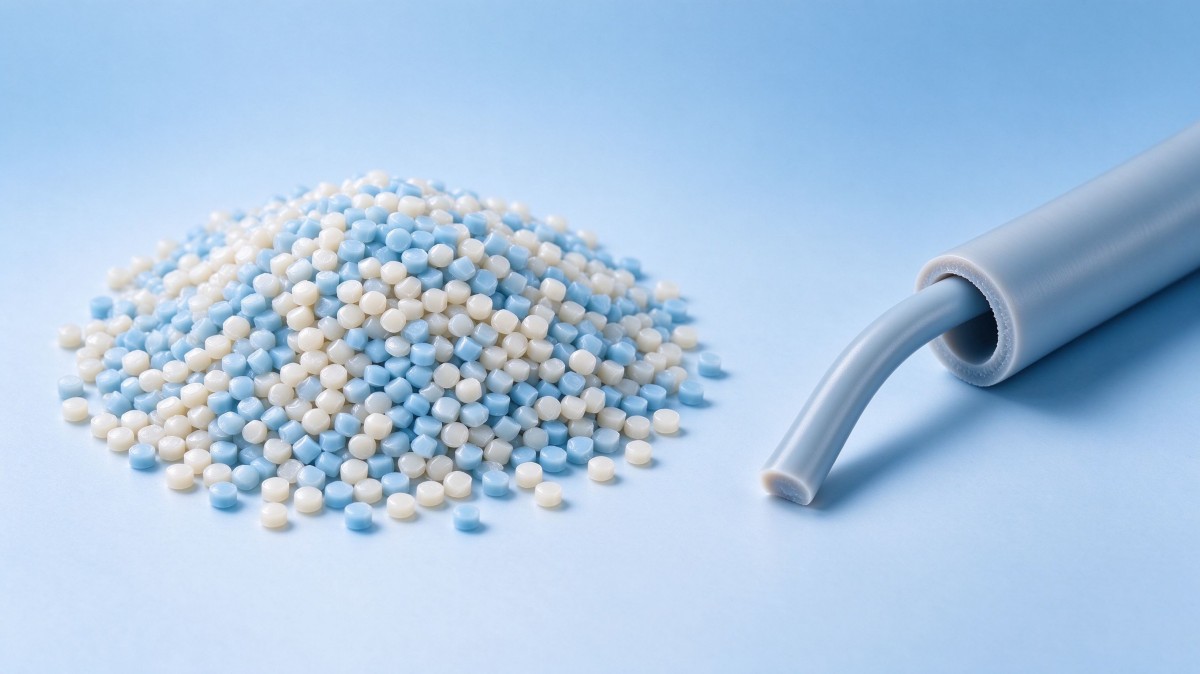
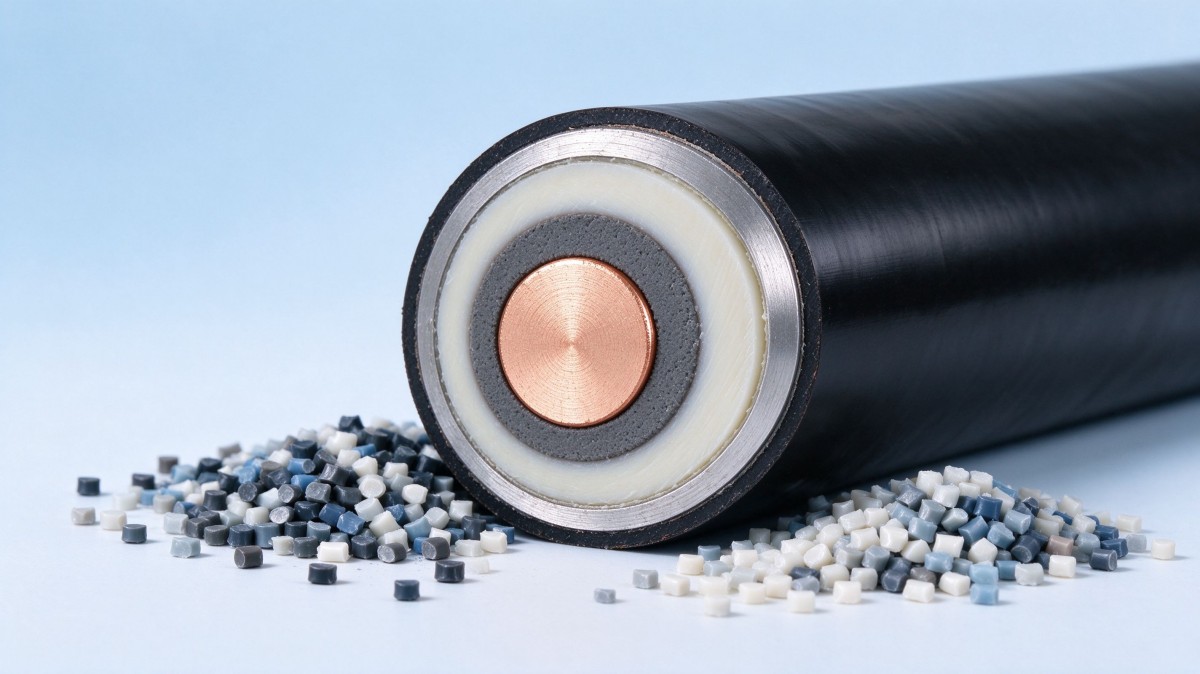
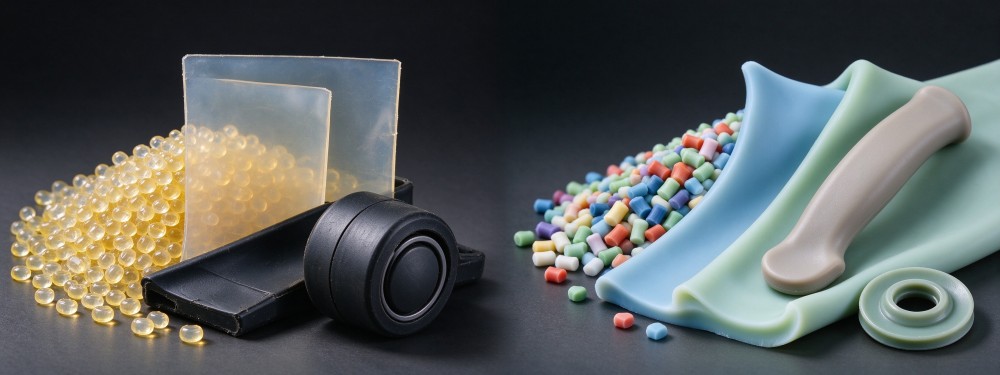
The company has deeply focused on four core application areas: power cables, medical plastics, new energy, and electronic and electrical products. Its core products cover a full range of cable materials such as PVC, PE, XLPE, LSZH, EPR, TPU, TPE/TPV, and high-performance modified materials. Relying on its own production bases, complete production systems, and sufficient inventory reserves, the company offers a comprehensive range of products, complete specifications, and stable inventory, enabling it to efficiently respond to customers' bulk purchases, customized production, and emergency supply needs, ensuring the stability and smoothness of the customer production chain.
The company has established a standardized and full-process product testing and quality control system, equipped with a complete set of professional testing and inspection equipment, capable of completing raw material verification, production inspection, and full-process quality control of finished products. At the same time, it has formed a core technical team composed of senior product engineers, professional R&D personnel, and quality control personnel. The founding team and core R&D backbone of the company all come from leading enterprises in the industry, possessing solid technical accumulation, rich practical experience, and mature product development implementation capabilities, providing comprehensive technical support for product upgrades, strict quality control, and personalized material customization.
With strong R&D capabilities, flexible customized service models, and stable and excellent product quality, the company precisely adapts to the differentiated and personalized material application needs of various industries, steadily deepening and expanding in the fierce market competition, and winning high recognition and continuous trust from customers worldwide with its outstanding products and services reputation.
Since its establishment, the company has always adhered to the core corporate spirit of "honesty, dedication, unity, and innovation", practiced the original technological development concept of "YongheSheng, Made in China", implemented standardized, refined, and standardized enterprise management models, with strict product quality standards and efficient supporting service systems as the core, deeply focusing on products and serving customers, fully empowering the high-quality development of customers worldwide.
At present, the company has established a mature marketing and service network covering both domestic and international markets, has established long-term stable strategic partnerships with 85+ overseas customers in Europe and America, and has also deeply cultivated the domestic market, serving over 500+ high-quality manufacturing enterprises, achieving a mutually beneficial and collaborative win-win development pattern. Looking forward to the future, YongheSheng will continue to deepen the high-performance polymer materials market segment, continuously improve product quality, expand production scale, and upgrade service standards,global partners to explore market value, create new industry scenarios, and embark on a new journey of high-quality development together.